
How Dental Implants Restore Missing Teeth Effectively
Missing teeth can affect both oral function and appearance, making everyday activities such as chewing and speaking more difficult. Dental implants are considered one of the most reliable and long lasting solutions for replacing missing teeth. They restore the structure of natural teeth while supporting overall oral health.
This article explains how dental implants work, their benefits, treatment stages, and why they are widely recommended by dental professionals.
What Are Dental Implants
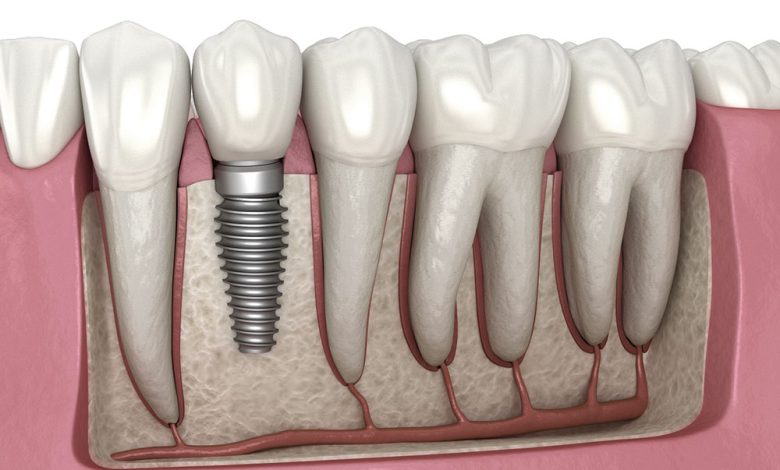
Dental implants are artificial tooth roots made from biocompatible materials such as titanium. They are surgically placed into the jawbone to support replacement teeth like crowns, bridges, or dentures.
Unlike removable solutions, implants are fixed securely into the bone, allowing them to function similarly to natural teeth.
A complete dental implant typically includes
- Implant post placed inside the jawbone
- Abutment connecting the post to the crown
- Custom made crown that resembles a natural tooth
Together, these components create a stable and durable tooth replacement.
Why Dental Implants Are an Effective Tooth Replacement Option
Dental implants restore both function and appearance while preventing complications that often occur after tooth loss.
They help
- Restore natural chewing ability
- Improve speech clarity
- Maintain facial structure
- Prevent shifting of nearby teeth
- Support long term jawbone health
Because implants integrate with the bone, they provide stability that traditional dentures cannot match.
How Dental Implants Work with Jawbone Integration
A key reason dental implants are highly effective is the process called osseointegration. During this stage, the implant post bonds naturally with the surrounding jawbone tissue.
This bonding process
- Creates a strong foundation for replacement teeth
- Prevents bone loss after tooth extraction
- Ensures stability similar to natural tooth roots
- Supports long term durability of the implant
Successful integration allows implants to function comfortably for many years.
Step by Step Dental Implant Treatment Process
Dental implant treatment usually occurs in stages to ensure proper healing and long term success.
Initial Consultation and Evaluation
Dentists begin with a comprehensive examination that may include imaging tests and medical history review. This helps determine whether the jawbone is strong enough to support implants.
Implant Placement Procedure
During this stage, the implant post is carefully inserted into the jawbone under controlled clinical conditions. Healing begins immediately after placement.
Healing and Bone Integration
Over several weeks or months, the implant integrates with the jawbone. Temporary restorations may be provided if needed.
Placement of Final Crown
Once healing is complete, a custom crown is attached to the implant, restoring the appearance and function of the missing tooth.
Benefits of Dental Implants Compared to Other Options
Dental implants offer several advantages over traditional tooth replacement methods.
Key benefits include
- Long lasting durability with proper care
- Natural appearance and comfort
- Protection against bone loss
- No need to alter adjacent teeth
- Improved confidence while speaking and eating
These advantages make implants a preferred choice for many patients.
Who Can Be a Suitable Candidate for Dental Implants
Most healthy adults with missing teeth may qualify for dental implants. However, dentists evaluate several factors before recommending treatment.
Suitable candidates usually have
- Healthy gums free from infection
- Adequate jawbone density
- Good oral hygiene habits
- No uncontrolled medical conditions affecting healing
Even patients with reduced bone volume may still qualify after supportive procedures.
How Dental Implants Support Long Term Oral Health
Dental implants help preserve oral structures by replacing missing tooth roots. This prevents gradual bone shrinkage that often occurs after tooth loss.
They also help maintain proper alignment of surrounding teeth and reduce strain on remaining natural teeth.
With consistent dental care and routine checkups, implants can remain functional for many years.
Caring for Dental Implants After Placement
Maintaining dental implants requires habits similar to caring for natural teeth.
Recommended care practices include
- Brushing twice daily using proper technique
- Cleaning between teeth regularly
- Visiting the dentist for routine checkups
- Avoiding tobacco use
- Following professional care instructions
Proper maintenance significantly increases implant lifespan.
Possible Risks and Considerations Before Treatment
Although dental implants are generally safe, dentists evaluate individual risk factors before treatment.
Possible considerations include
- Healing time required after surgery
- Temporary swelling or discomfort
- Need for additional bone support procedures
- Importance of maintaining oral hygiene
Careful planning ensures successful treatment outcomes.
Frequently Asked Questions
How long do dental implants usually last
Dental implants can last many years or even decades when supported by good oral hygiene and regular dental visits.
Are dental implants suitable for replacing multiple teeth
Yes, implants can support bridges or dentures designed to replace several missing teeth effectively.
Is the dental implant procedure safe for older adults
Age alone does not prevent implant treatment. Dentists evaluate overall health rather than age when recommending implants.
How soon can normal eating resume after implant placement
Soft foods are usually recommended initially, followed by gradual return to normal eating as healing progresses.
Do dental implants look different from natural teeth
Implant crowns are custom designed to match surrounding teeth, making them appear natural.
Can dental implants prevent facial structure changes after tooth loss
Yes, implants help maintain jawbone strength and support facial shape over time.
Is special cleaning equipment required for dental implants
Most patients can care for implants using standard brushing and flossing techniques along with professional guidance.