

How Is Head and Neck Cancer Treated? Understanding Modern Treatment Options
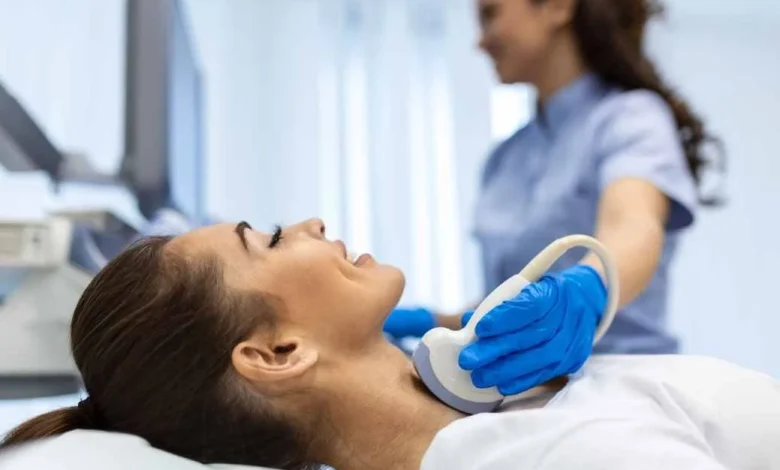
Hearing “head and neck cancer” for the first time tends to bring up more questions than answers. It’s not one disease but a group of cancers, affecting the mouth, throat, larynx, thyroid, and salivary glands, each with different treatment approaches depending on location, stage, and how far it’s spread. Understanding what modern head and neck cancer treatments actually involve can make the road ahead feel considerably less abstract, even before the first consultation.
Surgery: Usually the First Line of Treatment
For localized head and neck cancers, surgery is typically the starting point, aimed at removing the tumour while preserving as much normal function as possible.
Tumour Resection
This involves removing the cancerous tissue along with a margin of healthy tissue to reduce the risk of recurrence. The specific procedure depends heavily on location, a partial glossectomy for tongue cancer, for instance, differs considerably from resection for a laryngeal or thyroid tumour.
Neck Dissection
When cancer has spread to nearby lymph nodes, a neck dissection removes the affected nodes. This ranges from a more limited selective dissection targeting specific nodes in early-stage disease, to more extensive procedures for advanced cases where spread is more significant.
Reconstructive Surgery
After tumour removal, reconstructive techniques, including microvascular flap surgery, help restore both function and appearance. This step matters enormously for quality of life afterward and is increasingly considered a core part of treatment rather than an optional add-on. Dr. Amit Chakraborty’s approach to cancers like parotid gland tumours, for example, places specific emphasis on preserving facial nerve function during reconstruction, not just removing the tumour.
Radiation Therapy
Radiation uses high-energy beams to target and destroy cancer cells, and can be used either alongside surgery to reduce recurrence risk or, in select cases, as a primary treatment when surgery isn’t the ideal approach. Treatment is typically delivered across a defined schedule over several weeks, planned specifically around the tumour’s location and stage.
Chemotherapy
Chemotherapy is often combined with radiation, an approach known as chemoradiation, particularly for more advanced cases, to improve treatment effectiveness. It may also be used before surgery to shrink a tumour or after surgery to address any remaining cancer cells.
Robotic and Minimally Invasive Surgery
Advances in robotic-assisted surgery have meaningfully changed treatment for certain head and neck cancers, allowing more precise tumour removal with smaller incisions. This generally translates to faster recovery, less pain, and better preservation of speech and swallowing function, though it isn’t the right fit for every case and depends heavily on tumour type and location. Dr. Amit Chakraborty has been a notable adopter of robotic techniques in his practice, using them selectively where they genuinely improve outcomes rather than as a default approach.
Organ Preservation and Voice Rehabilitation
For cancers affecting the larynx, treatment increasingly focuses on preserving the voice box where clinically possible, often through combined radiation and chemotherapy rather than complete removal. When total laryngectomy is unavoidable, tracheo-esophageal prosthesis techniques can help restore speech afterward, an important part of maintaining quality of life post-treatment.
Rehabilitation Isn’t an Afterthought
Recovery from head and neck cancer treatment often involves speech therapy, swallowing rehabilitation, and dietary support, particularly after surgery involving the mouth, throat, or larynx. This phase is just as important as the treatment itself in determining how well a patient returns to normal daily function.
Why Treatment Choice Should Be Individualized
Given the range of options, surgery, radiation, chemotherapy, robotic techniques, and reconstruction, the right combination depends entirely on cancer type, stage, and the patient’s overall health. This is exactly why working with an experienced head and neck oncologist in Mumbai who can weigh all these factors together matters more than any single treatment in isolation. Dr. Amit Chakraborty’s practice is built around this kind of coordinated planning, with surgical, medical, and radiation oncologists working as one team rather than treatment handled piecemeal across separate providers, similar to the multidisciplinary approach he applies to complex cases like oral cancer.
What to Look for in Treatment Planning
Whether you’re exploring the best head and neck treatment in Mumbai for yourself or a loved one, a good treatment plan should be clearly explained, weighing the specific combination of therapies against your particular diagnosis, rather than a one-size-fits-all protocol. Ask what each recommended treatment is meant to achieve, what the realistic recovery timeline looks like, and how rehabilitation fits into the overall plan.
FAQs
Is surgery always required for head and neck cancer?
Not always. While surgery is often the first approach for localized cancers, some cases, particularly certain laryngeal cancers, may be treated primarily with radiation and chemotherapy to preserve organ function.
What’s the difference between chemotherapy and chemoradiation?
Chemoradiation combines chemotherapy with radiation therapy delivered together, often used for more advanced cases to improve treatment effectiveness compared to either approach used alone.
How long does treatment typically take?
This varies significantly by cancer type and stage. Radiation courses often span several weeks, while surgical recovery and rehabilitation can extend over additional weeks to months depending on the extent of treatment.
Can speech be restored after laryngeal cancer surgery?
In many cases, yes. Techniques like tracheo-esophageal prosthesis can help restore voice function even after complete removal of the larynx, as part of a broader rehabilitation plan.
Is robotic surgery suitable for every head and neck cancer patient?
No. It offers real benefits for certain cancer types and locations, but suitability depends on the specific tumour characteristics, and a specialist would determine whether it’s the right approach for an individual case.