

Why Singaporeans Are Choosing Yoga Classes Over Physiotherapy for Chronic Pain Relief
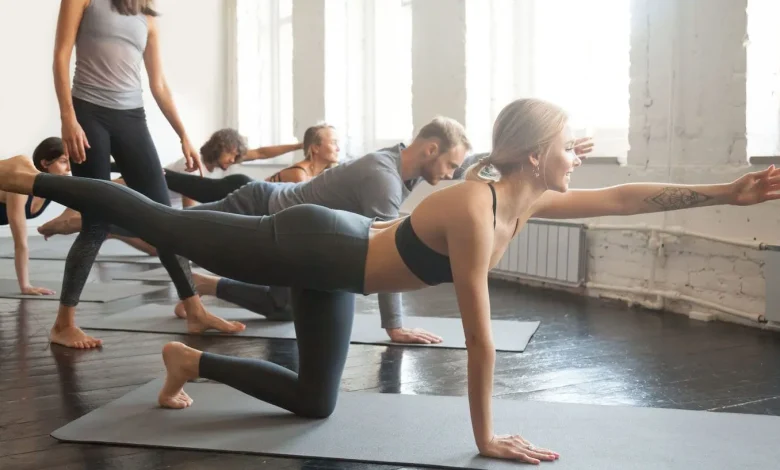
Chronic pain is one of the most underreported health burdens in Singapore. Whether it presents as persistent lower back tension, recurring shoulder tightness, unexplained knee discomfort, or the dull ache that settles between the shoulder blades after a long week at a desk, it affects a significant portion of the working population. For years, physiotherapy has been the default recommendation for managing these conditions, and while it has genuine value in acute injury recovery, a growing number of Singaporeans are discovering that regular yoga classes Singapore offer something physiotherapy alone cannot: a self-sustaining, progressive movement practice that addresses the root causes of pain rather than simply managing its symptoms.
This shift is not anti-medical. It is a recognition that chronic pain, unlike acute injury, is rarely solved by passive treatment. It requires active participation, consistent movement, and a rebuilding of the body’s relationship with motion and load. Yoga delivers exactly that.
Understanding Why Chronic Pain Persists
Before comparing yoga and physiotherapy, it is worth understanding why chronic pain is so resistant to standard treatment. Acute pain is straightforward. You injure a structure, the body responds with inflammation, and healing occurs over a predictable timeframe. Chronic pain operates very differently.
Persistent pain lasting more than three months involves changes in the central nervous system known as central sensitisation. The nervous system essentially becomes hypersensitive, amplifying pain signals even when the original tissue damage has healed. This means that continuing to rest, avoid movement, or rely on passive treatments like massage and ultrasound therapy actually reinforces the pain cycle rather than breaking it.
Research in pain science over the past two decades has consistently shown that graded, progressive movement is among the most effective interventions for chronic pain, not because it ignores the pain, but because it gradually recalibrates the nervous system’s sensitivity. Yoga, with its combination of controlled movement, breathwork, body awareness, and progressive loading, creates precisely these conditions.
What Physiotherapy Does Well and Where Its Limits Lie
Physiotherapy is invaluable in specific contexts. After surgery, acute ligament tears, fractures, or neurological events, a qualified physiotherapist provides targeted rehabilitation that yoga cannot replicate. The detailed structural assessments, manual therapy techniques, and specific exercise prescriptions that physiotherapists provide are genuinely effective for these situations.
Where physiotherapy tends to fall short is in the long-term management of chronic musculoskeletal conditions. Several factors contribute to this:
- Sessions are time-limited and typically end once a functional baseline is restored
- Home exercise programmes have notoriously poor compliance rates, with most patients abandoning prescribed exercises within weeks
- The passive treatment components of physiotherapy, including massage, heat, and electrical stimulation, provide symptomatic relief without building long-term capacity
- The clinical environment does not teach patients how to move well in the context of real daily life
Yoga addresses all of these gaps. A regular yoga practice is not a prescribed intervention with an end date. It is a continuous, evolving practice that builds body awareness, movement quality, and physical resilience over time. The studio community provides accountability that a home exercise sheet cannot.
Backcare and Core Yoga: Addressing Lower Back Pain at Its Source
Lower back pain is among the most common chronic pain complaints in Singapore. Studies estimate that up to 80 percent of adults will experience significant lower back pain at some point in their lives, and for a large proportion, it becomes a recurring or permanent condition.
The primary contributors to chronic lower back pain in Singapore’s desk-working population are:
- Weakened and inhibited deep core stabilisers, particularly the transversus abdominis and multifidus muscles
- Chronically shortened hip flexors from prolonged sitting, which pull the lumbar spine into excessive extension
- Inhibited gluteal muscles that force the lower back to compensate during movement
- Poor thoracic mobility that creates compensatory stress on the lumbar segments
Backcare yoga classes address each of these factors through targeted pose sequences that reactivate inhibited muscles, lengthen shortened tissues, and teach the nervous system how to create stability from the centre of the body outward. Core Yoga takes this further, building the specific deep core strength that protects the spine during everyday movements that physiotherapy rarely trains in a functional context.
Hip and Shoulder Mobility: Breaking the Pain-Restriction Cycle
Chronic hip and shoulder pain frequently develops through a cycle of restriction and compensation. When a joint loses mobility, whether through injury, habitual posture, or simple disuse, the surrounding muscles tighten to protect it. This tightening restricts movement further, weakens the muscles through their reduced range, and creates compensatory movement patterns in neighbouring joints. The lower back compensates for tight hips. The neck compensates for restricted shoulders. Pain migrates and spreads.
Hip and Shoulder Mobility classes interrupt this cycle by systematically addressing joint range of motion through yoga’s combination of sustained stretching, active strengthening, and proprioceptive training. Unlike static stretching alone, yoga’s dynamic approach to mobility also trains the nervous system to feel safe moving through newly acquired range, which is the critical step that prevents mobility gains from disappearing between sessions.
Yin Yoga and Fascia: The Connective Tissue Dimension
One area where yoga addresses chronic pain in ways that conventional physiotherapy rarely touches is the fascial system. Fascia is the connective tissue that surrounds, separates, and interconnects every muscle, organ, nerve, and bone in the body. When healthy, fascia is fluid and responsive. When chronically stressed or immobile, it becomes dense, adhesive, and pain-generating.
Yin Yoga’s long-hold passive poses, typically held for three to five minutes, specifically target the fascial network rather than the muscles. The sustained gentle stress applied to connective tissue during Yin practice stimulates the production of hyaluronic acid, which is the substance responsible for fascial hydration and glide. Over time, regular Yin practice restores suppleness to the fascial network, reducing the background chronic tension that contributes to persistent pain throughout the body.
The Psychological Dimension of Pain Relief
Chronic pain has a significant psychological component that neither yoga nor physiotherapy should ignore. Fear of movement, catastrophising, and pain-related anxiety all amplify pain perception through the central sensitisation mechanisms described earlier. Yoga addresses the psychological dimension of chronic pain through several mechanisms that physiotherapy does not typically include.
Regular practice builds what pain researchers call pain self-efficacy, which is the belief that one can manage pain and continue functioning through it. Breathing techniques reduce the acute anxiety response that pain triggers. The mindfulness component of yoga practice reduces catastrophising by training the mind to observe sensation without immediately labelling it as threatening. Over months of practice, this psychological shift is often as significant as the physical changes in reducing the burden of chronic pain.
For those in Singapore who have found that passive treatments offer only temporary relief, exploring structured yoga as a long-term pain management strategy is a well-evidenced and increasingly popular choice. Yoga Edition offers dedicated Backcare, Yoga Therapy, Core Yoga, and mobility-focused classes specifically suited to practitioners managing chronic pain conditions, with experienced instructors who understand how to modify practice safely for individual needs.
Frequently Asked Questions
Q: Is it safe to attend yoga classes if I am currently in pain?
A: In most cases, yes, provided you inform your instructor before class and work within a pain-free range of motion. Many yoga formats are specifically designed for practitioners managing chronic conditions. Avoid any class that increases your pain and consult a medical professional if you are dealing with an acute injury or undiagnosed condition.
Q: How long before yoga produces noticeable pain relief?
A: Most practitioners with chronic musculoskeletal conditions report noticeable improvement within six to eight weeks of attending three sessions per week. Significant structural changes in tissue quality and movement patterns typically become apparent between three and six months of consistent practice.
Q: Should I stop physiotherapy if I start yoga?
A: Not necessarily. Many practitioners benefit from combining both, particularly in the earlier stages of addressing a chronic condition. A physiotherapist can diagnose specific structural issues and prescribe targeted rehab exercises, while yoga provides the progressive movement practice and body awareness that sustains long-term improvement.
Q: Are there yoga classes specifically designed for people with chronic pain?
A: Yes. Yoga Therapy, Backcare, Gentle Yoga, Yin Yoga, and Chair Yoga classes are all specifically suited to practitioners managing chronic pain. These formats use props, modifications, and slower pacing to ensure that practice remains accessible and therapeutic rather than aggravating.
Q: Can yoga help with pain caused by old injuries that never fully healed?
A: Frequently, yes. Old injuries often leave residual restrictions in the surrounding tissue and altered movement patterns that create ongoing pain. Yoga’s combination of mobility work, fascial release, and movement re-education is particularly well suited to addressing these long-standing compensatory patterns.