

Nutrition Tips for Improving Mental Clarity Naturally
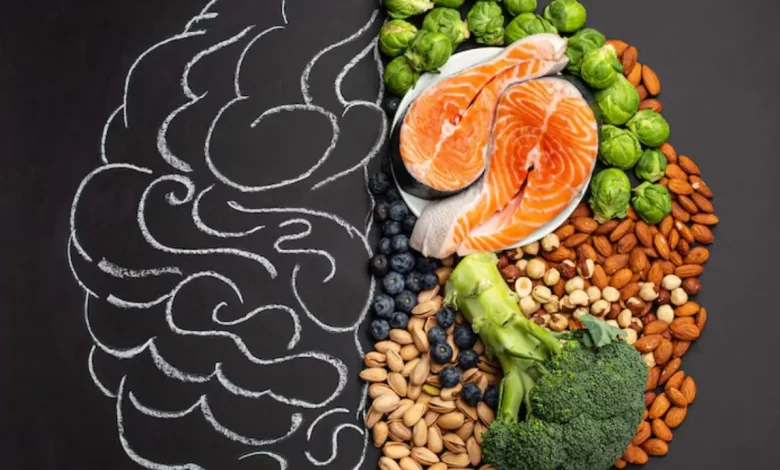
Mental clarity refers to the ability to think clearly, focus effectively, remember information accurately, and make sound decisions. Nutrition plays a direct role in supporting brain performance because the brain depends on a steady supply of nutrients, oxygen, and hydration to function efficiently.
Making thoughtful dietary choices can enhance concentration, improve memory, reduce mental fatigue, and support long-term cognitive health.
Why Nutrition Affects Mental Clarity
The brain consumes a significant portion of the body’s energy. It requires consistent fuel from nutrients such as glucose, essential fatty acids, vitamins, and minerals to maintain attention, learning ability, and emotional balance.
Poor dietary habits may lead to:
- Brain fog
- Reduced concentration
- Mood swings
- Memory lapses
- Mental fatigue
A structured nutrition plan supports neurotransmitter production and protects brain cells from stress-related damage.
Eat Balanced Meals Throughout the Day
Balanced meals help maintain stable blood sugar levels, which are essential for steady brain performance.
Include the following components in each meal:
- Whole grains for sustained energy
- Lean proteins for neurotransmitter production
- Healthy fats for brain protection
- Vegetables and fruits for antioxidants
Avoid skipping meals because irregular eating patterns can reduce attention span and slow mental processing.
Include Omega 3 Fatty Acids Regularly
Omega 3 fatty acids support memory, learning ability, and communication between brain cells. These fats also reduce inflammation that may affect cognitive performance.
Good sources include:
- Walnuts
- Flaxseeds
- Chia seeds
- Fatty fish such as salmon and sardines
- Soybeans
Regular intake supports long-term brain function and improves mental responsiveness.
Stay Properly Hydrated for Better Focus
Even mild dehydration can reduce concentration and increase fatigue. Water supports oxygen delivery to brain cells and helps remove metabolic waste.
Helpful hydration practices include:
- Drinking water consistently throughout the day
- Consuming water-rich fruits such as oranges and watermelon
- Limiting sugary beverages
Maintaining hydration improves alertness and reaction time.
Choose Complex Carbohydrates Instead of Refined Sugars
Complex carbohydrates release energy gradually, supporting stable brain activity. Refined sugars cause sudden spikes followed by energy crashes that affect concentration.
Healthy carbohydrate options include:
- Oats
- Brown rice
- Whole wheat products
- Sweet potatoes
- Legumes
These foods provide steady fuel for mental endurance.
Increase Intake of Antioxidant Rich Foods
Antioxidants protect brain cells from oxidative stress, which can impair memory and cognitive performance over time.
Examples of antioxidant rich foods include:
- Blueberries
- Spinach
- Tomatoes
- Carrots
- Nuts
Regular consumption supports long-term brain health and mental sharpness.
Support Brain Function with Essential Vitamins and Minerals
Certain micronutrients play a key role in maintaining mental clarity and neurological balance.
Important nutrients include:
Vitamin B complex
Supports energy production and nerve signaling.
Iron
Helps transport oxygen to the brain.
Magnesium
Supports memory and learning processes.
Vitamin D
Influences mood stability and cognitive strength.
Including a variety of whole foods ensures adequate intake of these nutrients.
Limit Processed Foods That Reduce Cognitive Efficiency
Highly processed foods often contain excess sugar, unhealthy fats, and additives that interfere with brain function.
Reducing intake of the following can improve mental clarity:
- Sugary snacks
- Fried foods
- Packaged convenience meals
- Artificially flavored beverages
Replacing these with natural foods improves focus and productivity.
Maintain Consistent Meal Timing for Brain Stability
Eating at regular intervals helps maintain stable glucose supply to the brain. This stability supports attention, emotional balance, and memory retention.
Healthy timing habits include:
- Eating breakfast within a reasonable time after waking
- Avoiding long gaps between meals
- Choosing light and balanced evening meals
Consistency improves cognitive efficiency throughout the day.
Practical Daily Nutrition Habits for Sharper Thinking
Simple routine adjustments can noticeably improve mental clarity.
Examples include:
- Starting the day with a nutrient rich breakfast
- Including fresh vegetables in lunch and dinner
- Eating nuts or fruits as mid day snacks
- Drinking enough water regularly
- Choosing whole foods over processed options
Small changes practiced consistently produce long term benefits.
Conclusion
Mental clarity depends strongly on the quality of daily nutrition. A balanced intake of complex carbohydrates, healthy fats, proteins, vitamins, and hydration supports brain performance and emotional stability. Consistent healthy eating habits improve concentration, strengthen memory, and protect cognitive health over time.
Frequently Asked Questions
Which foods improve mental clarity quickly
Foods rich in omega 3 fatty acids, whole grains, nuts, berries, and leafy vegetables help improve concentration and alertness within a short time when consumed regularly.
Can dehydration affect thinking ability
Yes. Even mild dehydration can reduce attention span, slow reaction time, and increase mental fatigue.
Is breakfast important for mental clarity
Yes. A balanced breakfast provides energy required for memory, concentration, and decision making throughout the morning.
Do vitamins help improve brain performance naturally
Yes. Vitamins such as B complex and vitamin D support nerve function, mood regulation, and cognitive strength.
Are processed foods harmful for concentration
Frequent consumption of processed foods may lead to energy fluctuations and reduced mental focus.
How often should brain healthy foods be consumed
Brain supportive foods should be included daily as part of a balanced and consistent eating routine.
Can hydration alone improve mental clarity
Hydration supports brain efficiency, but the best results occur when combined with balanced nutrition and regular meal timing.