

How Dental Implants Restore Missing Teeth Effectively Today
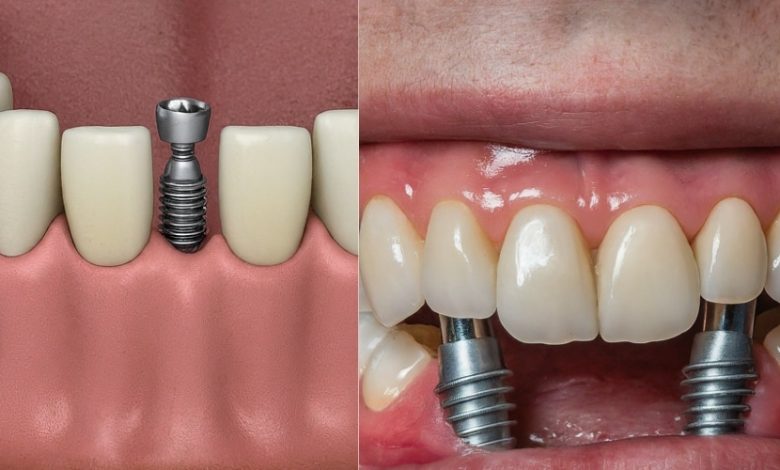
Dental implants are widely considered one of the most reliable and long lasting solutions for replacing missing teeth. They restore not only the appearance of a natural smile but also chewing ability, jaw strength, and overall oral health.
Modern implant dentistry uses advanced materials and techniques that make the procedure safe, predictable, and comfortable for most patients.
What Are Dental Implants
A dental implant is an artificial tooth root made of biocompatible titanium that is placed into the jawbone to support a replacement tooth. Once healed, the implant acts like a natural root and holds a crown firmly in place.
A complete dental implant system usually includes
- Implant post inserted into the jawbone
- Abutment connecting the post to the crown
- Custom made dental crown that looks natural
Together, these components restore both function and appearance.
Why Missing Teeth Should Be Replaced Quickly
Leaving a missing tooth untreated can affect more than just appearance. It can lead to several oral health complications over time.
Common problems caused by missing teeth include
- Bone loss in the jaw
- Shifting of nearby teeth
- Difficulty chewing properly
- Speech challenges
- Changes in facial structure
Dental implants prevent these issues by replacing the tooth root and maintaining bone strength.
How Dental Implants Work Step by Step
Dental implant treatment follows a carefully planned multi stage process designed for long term success.
Step One Initial Consultation and Evaluation
The dentist examines oral health, bone density, and medical history before planning the treatment. Digital imaging helps determine the best implant position.
Step Two Implant Placement Procedure
The titanium implant post is surgically inserted into the jawbone. This step is performed under local anesthesia to ensure comfort.
Step Three Healing and Bone Integration
During healing, the implant bonds naturally with the jawbone through a process called osseointegration. This creates a strong foundation for the artificial tooth.
Step Four Abutment Attachment
Once healing is complete, the abutment is placed to connect the implant with the crown.
Step Five Final Crown Placement
A custom designed crown is attached to restore the appearance and function of the missing tooth.
Advantages of Dental Implants Compared to Other Options
Dental implants offer several benefits over removable dentures and traditional bridges.
Key advantages include
- Natural look and feel
- Long term durability
- Improved chewing strength
- Prevention of bone loss
- Stability without affecting nearby teeth
- Enhanced confidence while speaking and smiling
These benefits make implants one of the most preferred restorative solutions today.
Who Is a Suitable Candidate for Dental Implants
Most adults with missing teeth can benefit from dental implants if they meet certain health conditions.
Ideal candidates generally have
- Healthy gums
- Adequate jawbone density
- Good oral hygiene habits
- No uncontrolled medical conditions affecting healing
Even patients with bone loss may qualify after additional procedures such as bone grafting.
How Long Dental Implants Last
With proper care, dental implants can last many years and often decades. Their longevity depends on oral hygiene practices and regular dental visits.
To increase implant lifespan
- Brush teeth twice daily
- Clean between teeth regularly
- Avoid smoking
- Attend routine dental checkups
- Follow dentist instructions after surgery
Consistent care ensures long lasting results.
Safety and Success Rate of Modern Dental Implants
Dental implant procedures today have high success rates due to advanced imaging technology and improved surgical techniques.
Modern dentistry offers
- Precise digital treatment planning
- Minimally invasive procedures
- Faster healing techniques
- Strong biocompatible implant materials
These improvements make implants safer and more predictable than ever before.
Cost Factors Influencing Dental Implant Treatment
The total cost of dental implants varies depending on several treatment related factors.
Common cost influences include
- Number of implants required
- Jawbone condition
- Need for additional procedures
- Type of crown material used
- Experience of the dental professional
Although implants may involve higher initial investment, they often provide better long term value than temporary replacements.
Caring for Dental Implants After Treatment
Maintaining dental implants is similar to caring for natural teeth.
Important care practices include
- Daily brushing and cleaning between teeth
- Avoiding excessive pressure on implants
- Regular professional cleaning visits
- Reporting discomfort early if noticed
Proper maintenance supports long term stability and function.
FAQ Section
Are dental implants painful during the procedure
Most patients experience minimal discomfort because the procedure is performed using local anesthesia and modern surgical techniques.
How long does the dental implant process take
Treatment duration varies depending on healing time, but most procedures are completed over several weeks to a few months.
Can older adults receive dental implants safely
Yes, age alone does not prevent implant treatment if overall health and bone condition are suitable.
Do dental implants look different from natural teeth
Implants are designed to match natural teeth closely in shape, size, and color, making them difficult to distinguish.
Is bone grafting always required before implants
Bone grafting is only necessary when jawbone density is insufficient to support the implant securely.
Can dental implants replace multiple missing teeth
Yes, implants can support single crowns, bridges, or even full arch restorations depending on patient needs.
How soon can normal eating resume after implant placement
Soft foods are recommended initially, and normal eating usually resumes gradually as healing progresses.