
Yoga Breathing Techniques for Stress Relief Naturally
Stress affects both mental clarity and physical health. While short-term stress can be manageable, persistent tension may disturb sleep, digestion, mood, and concentration. Yoga breathing techniques, commonly known as pranayama, offer a natural and structured way to calm the nervous system and restore balance.
These techniques work by regulating breathing patterns, improving oxygen flow, and activating the body’s relaxation response. When practiced regularly, they can reduce anxiety levels, stabilize emotions, and improve overall well-being.
How Yogic Breathing Helps Reduce Stress
Breathing patterns change during stress. Rapid and shallow breathing signals the body to remain alert. Yogic breathing reverses this pattern by encouraging slow and controlled respiration.
Key physiological benefits include:
- Activation of the parasympathetic nervous system
- Reduction in heart rate and blood pressure
- Improved oxygen supply to the brain
- Relaxation of tense muscles
- Better emotional regulation
With consistent practice, these effects support long-term resilience against daily stressors.
Diaphragmatic Breathing for Deep Relaxation
Diaphragmatic breathing, also known as belly breathing, is one of the most effective techniques for calming the mind naturally.
How to Practice
Follow these steps:
- Sit comfortably or lie down on your back
- Place one hand on your chest and the other on your abdomen
- Inhale slowly through your nose
- Allow your abdomen to rise while keeping your chest still
- Exhale gently through your nose
- Continue for five to ten minutes
This method encourages full lung expansion and reduces physical tension.
Benefits
Regular practice may help:
- Lower stress hormone levels
- Improve sleep quality
- Support digestive health
- Reduce fatigue and irritability
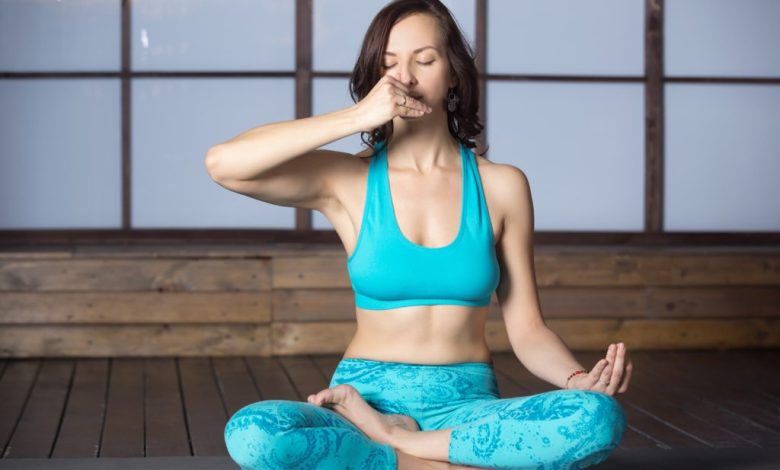
Alternate Nostril Breathing for Mental Balance
Alternate nostril breathing promotes harmony between the left and right hemispheres of the brain. It is widely used to improve concentration and emotional stability.
How to Practice
Try the following method:
- Sit upright in a comfortable position
- Close your right nostril using your thumb
- Inhale slowly through your left nostril
- Close the left nostril with your finger
- Release the right nostril and exhale slowly
- Inhale through the right nostril
- Switch sides and repeat
Practice for five minutes daily for noticeable benefits.
Benefits
This technique may support:
- Improved focus
- Reduced anxiety symptoms
- Stabilized breathing rhythm
- Enhanced mental clarity
Box Breathing for Immediate Calm
Box breathing is a structured breathing pattern commonly used to manage acute stress.
How to Practice
Follow a simple four-step rhythm:
- Inhale for four seconds
- Hold the breath for four seconds
- Exhale for four seconds
- Pause for four seconds before the next inhale
Repeat this cycle for several minutes.
Benefits
Box breathing can:
- Calm the nervous system quickly
- Improve emotional control
- Reduce racing thoughts
- Support better decision-making under pressure
Bhramari Breathing for Emotional Release
Bhramari breathing involves producing a gentle humming sound during exhalation. The vibration created by this sound has a soothing effect on the brain.
How to Practice
Use the following approach:
- Sit comfortably with your spine straight
- Close your eyes
- Inhale deeply through your nose
- Exhale slowly while making a soft humming sound
- Focus on the vibration in your head and chest
Repeat five to seven cycles for best results.
Benefits
Regular practice may help:
- Reduce anger and frustration
- Improve mood stability
- Relieve mental fatigue
- Enhance sleep quality
Ocean Breathing for Mindful Awareness
Ocean breathing, often practiced during yoga sessions, creates a gentle sound similar to ocean waves. This sound helps maintain concentration and steady breathing.
How to Practice
Follow these steps:
- Sit comfortably with relaxed shoulders
- Inhale slowly through your nose
- Slightly constrict the back of your throat
- Exhale slowly while maintaining the same throat position
- Keep breathing steady and rhythmic
Practice for five minutes during quiet moments of the day.
Benefits
Ocean breathing may support:
- Improved mindfulness
- Reduced stress reactivity
- Better oxygen circulation
- Increased emotional stability
Best Time to Practice Yoga Breathing Techniques
Breathing exercises can be practiced at different times depending on personal comfort and daily schedule.
Suitable times include:
- Early morning for mental clarity
- Before bedtime to improve sleep
- During work breaks to refresh focus
- After yoga or meditation sessions
- Before stressful meetings or events
Consistency plays a larger role than timing. Even short daily sessions can produce noticeable improvements.
Safety Tips for Practicing Yogic Breathing
While breathing techniques are generally safe, mindful practice ensures better results.
Follow these precautions:
- Practice in a quiet environment
- Avoid forcing your breath
- Sit with proper posture
- Stop if dizziness occurs
- Consult a healthcare professional if you have respiratory conditions
Gentle and steady practice leads to the most effective outcomes.
Frequently Asked Questions
How long should I practice yoga breathing each day for stress relief
Practicing for ten to fifteen minutes daily is usually sufficient to experience gradual improvements in stress levels and emotional balance.
Can beginners safely practice yoga breathing techniques at home
Yes. Most breathing exercises are simple and safe for beginners when performed slowly and without strain.
Do breathing exercises help with work related stress
Regular breathing practice can improve concentration, reduce mental fatigue, and support better emotional control during demanding work routines.
Is it normal to feel sleepy after breathing exercises
Some individuals feel relaxed or slightly sleepy because breathing techniques activate the body’s natural relaxation response.
Can yoga breathing improve memory and focus
Improved oxygen supply to the brain and reduced stress levels may support better cognitive performance and mental clarity.
Should breathing exercises be practiced before or after meals
It is generally better to practice breathing exercises on an empty stomach or at least two hours after eating.
Are yoga breathing techniques helpful for long term stress management
Consistent practice supports nervous system balance and helps the body respond more calmly to everyday challenges over time.