

Balancing Fitness Goals With Busy Modern Lifestyles
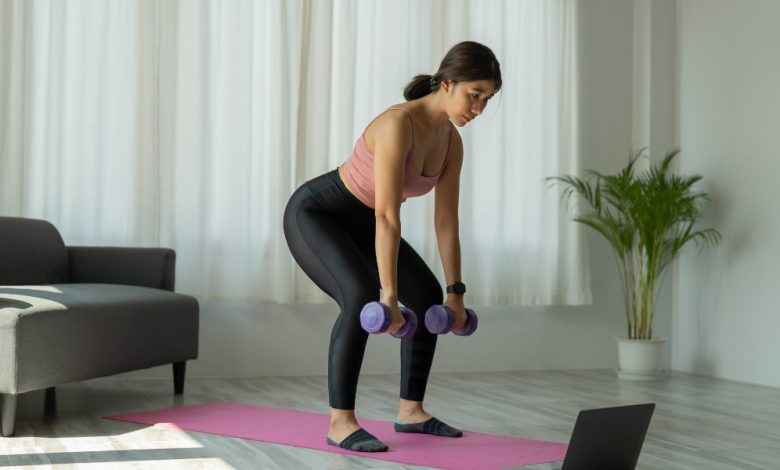
Maintaining fitness in today’s fast paced world can feel difficult, especially when work schedules, family responsibilities, and personal commitments compete for attention. However, achieving health goals does not require long hours at the gym. With planning, consistency, and practical strategies, it is possible to stay active and maintain physical well being even during demanding routines.
Balancing fitness with modern lifestyles is less about finding extra time and more about using available time effectively.
Understanding the Importance of Fitness in Daily Life
Physical fitness supports energy levels, mental clarity, emotional stability, and long term disease prevention. Regular movement improves productivity and reduces stress, making it easier to manage everyday responsibilities.
Key benefits of staying active include:
- Improved heart health and circulation
- Better posture and muscle strength
- Increased concentration and focus
- Reduced anxiety and fatigue
- Stronger immune function
Recognizing these benefits encourages individuals to prioritize fitness despite busy schedules.
Setting Realistic and Achievable Fitness Goals
Unrealistic expectations often lead to frustration and inconsistency. Setting practical goals helps maintain motivation and progress.
Effective goal setting involves:
- Choosing measurable targets
- Starting with manageable routines
- Tracking weekly improvements
- Adjusting plans when necessary
Clear and realistic goals support long term commitment rather than short bursts of effort.
Creating a Structured Weekly Routine
Planning workouts in advance prevents them from being skipped during busy days. A structured schedule turns exercise into a regular habit rather than an optional activity.
Helpful strategies include:
- Allocating specific workout days
- Selecting convenient time slots
- Preparing workout clothing in advance
- Using short but consistent sessions
Consistency matters more than duration when building a sustainable routine.
Making Use of Short Workout Sessions
Many people believe fitness requires long training hours. In reality, shorter sessions performed regularly can produce meaningful results.
Short sessions can include:
- Bodyweight exercises at home
- Stretching during breaks
- Walking meetings when possible
- Quick strength routines before work
Even twenty minutes of focused activity can support physical health.
Integrating Physical Activity Into Daily Tasks
Modern lifestyles often involve long periods of sitting. Adding movement throughout the day helps maintain activity levels without requiring extra time.
Simple adjustments may include:
- Taking stairs instead of elevators
- Walking during phone conversations
- Performing light stretches at the desk
- Parking farther from entrances
Small daily actions contribute significantly to overall fitness progress.
Choosing Efficient Workout Methods
Time efficient exercise routines help individuals remain consistent even during busy weeks. Selecting workouts that engage multiple muscle groups improves results in less time.
Examples include:
- Strength based circuit training
- Interval training sessions
- Mobility focused stretching routines
- Functional movement exercises
Efficient training supports both strength and endurance development.
Managing Energy Levels Throughout the Day
Busy routines often lead to fatigue, making exercise feel difficult. Managing sleep, hydration, and nutrition helps maintain energy for physical activity.
Important habits include:
- Drinking enough water daily
- Eating balanced meals
- Maintaining regular sleep patterns
- Avoiding prolonged inactivity
Higher energy levels make it easier to remain consistent with fitness routines.
Using Technology to Stay Consistent
Digital tools make fitness planning more convenient and accessible. Many people benefit from reminders, activity tracking, and guided workout programs.
Technology can support fitness by:
- Monitoring daily step counts
- Tracking workout progress
- Providing guided exercise routines
- Encouraging accountability through reminders
Structured tracking strengthens commitment and motivation.
Maintaining Motivation During Busy Periods
Work deadlines and personal responsibilities can interrupt routines. Maintaining motivation during such periods is essential for long term success.
Practical motivation strategies include:
- Celebrating small progress milestones
- Exercising with friends or family members
- Keeping workout goals visible
- Choosing enjoyable physical activities
Motivation grows when fitness becomes part of daily identity rather than a temporary task.
Building Long Term Sustainable Fitness Habits
Fitness should support lifestyle balance rather than create additional stress. Sustainable routines are flexible and adaptable to changing responsibilities.
Long term habits develop through:
- Consistency over perfection
- Gradual improvement over time
- Realistic expectations
- Positive mindset toward health
Sustainable habits lead to lasting physical and mental benefits.
Balancing Work Responsibilities and Personal Health
Professional commitments often reduce available exercise time. Prioritizing health alongside work responsibilities improves both performance and well being.
Balanced routines may include:
- Early morning movement sessions
- Active breaks during work hours
- Short evening stretching routines
- Weekend activity planning
Maintaining balance supports productivity without sacrificing physical health.
FAQ Section
How many minutes of exercise are enough for busy individuals each day
Even fifteen to thirty minutes of consistent daily movement can support overall fitness when performed regularly.
Is morning exercise better than evening workouts for busy people
The best workout time depends on personal schedule and energy levels rather than a fixed rule.
Can household activities contribute to daily fitness goals
Yes, activities such as cleaning, gardening, and carrying groceries contribute to daily movement and calorie expenditure.
How can working professionals avoid skipping workouts during stressful weeks
Planning shorter routines and keeping flexible schedules helps maintain consistency during demanding periods.
Does regular stretching improve fitness even without intense workouts
Stretching supports flexibility, posture, circulation, and injury prevention, making it an important part of fitness routines.
How can families support each other in staying physically active
Family walks, weekend outdoor activities, and shared exercise routines help build consistent habits together.
What is the role of rest days in a busy fitness schedule
Rest days allow muscles to recover and prevent fatigue, helping maintain long term consistency in physical activity routines.