

Educational Path Required to Become Doctor Successfully
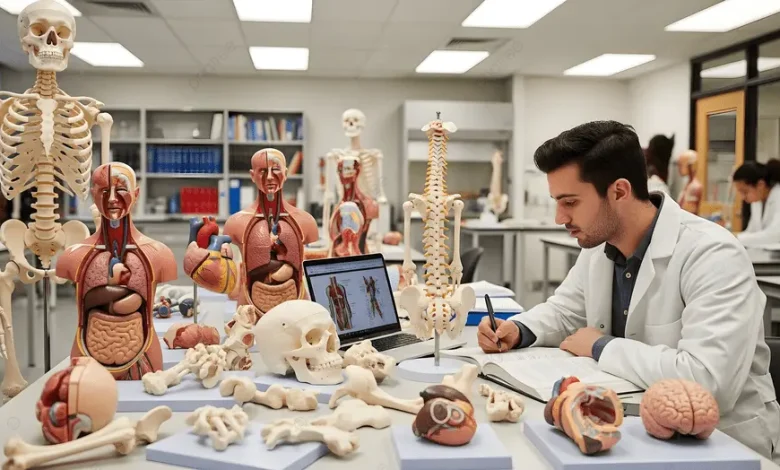
Becoming a doctor requires dedication, structured academic preparation, clinical training, and continuous professional development. The journey involves multiple stages that gradually build scientific knowledge, practical skills, and ethical responsibility needed to provide safe and effective healthcare.
Understanding each step clearly helps aspiring students prepare realistically for the medical profession.
Importance of Choosing the Medical Career Early
Planning early provides a strong advantage for students who want to pursue medicine. Since the profession demands long-term commitment and academic discipline, early preparation helps in building the right foundation in science subjects and study habits.
Students who begin preparation during secondary education often perform better in medical entrance examinations and adapt more easily to rigorous medical coursework.
Step-by-Step Educational Path to Become a Doctor
The path to becoming a doctor generally follows a structured sequence of academic and clinical stages.
1. Complete Secondary Education with Science Subjects
Students must study core science subjects during higher secondary schooling, including:
- Biology
- Chemistry
- Physics
- English
Strong performance in these subjects builds the academic base required for medical entrance examinations.
2. Clear Medical Entrance Examination
Admission into medical colleges depends on qualifying competitive entrance exams. These exams test understanding of science concepts and problem-solving ability.
Successful candidates gain entry into recognized medical institutions for undergraduate study.
3. Earn an Undergraduate Medical Degree
The most common undergraduate qualification is MBBS. During this stage, students study:
- Human anatomy
- Physiology
- Biochemistry
- Pharmacology
- Pathology
- Microbiology
- Forensic medicine
- Community medicine
Clinical exposure begins gradually through hospital-based training sessions.
4. Complete Mandatory Medical Internship
After academic coursework, students must complete a supervised internship in hospitals. This stage provides real-world experience in:
- Patient examination
- Diagnosis support
- Emergency handling
- Ward management
- Communication with patients and senior doctors
Internship training plays a critical role in developing confidence and professional competence.
5. Obtain Medical License or Registration
Graduates must register with the appropriate medical authority before practicing independently. Licensing ensures that only qualified professionals provide medical care to patients.
Registration also establishes legal recognition as a medical practitioner.
6. Pursue Postgraduate Specialization (Optional but Valuable)
Many doctors continue their education by choosing a specialization based on interest and career goals. Common specialization areas include:
- Internal medicine
- Pediatrics
- Surgery
- Dermatology
- Psychiatry
- Cardiology
- Orthopedics
Specialization improves career opportunities and clinical expertise.
Skills Developed During Medical Education
Medical training strengthens several essential abilities required for professional success.
Scientific Understanding
Students learn detailed knowledge of body systems, diseases, and treatments.
Clinical Decision-Making
Training improves the ability to analyze symptoms and recommend appropriate care.
Communication Skills
Doctors learn to explain medical information clearly to patients and families.
Professional Discipline
Medical education encourages responsibility, punctuality, and ethical behavior.
Teamwork
Healthcare delivery requires collaboration with nurses, technicians, and specialists.
Role of Clinical Training in Medical Education
Clinical training transforms theoretical learning into practical experience. Students observe experienced doctors, assist during procedures, and gradually participate in patient care under supervision.
This stage helps future doctors:
- Develop diagnostic reasoning
- Understand patient behavior and expectations
- Learn hospital workflow
- Practice professional ethics in real situations
Clinical exposure ensures readiness for independent medical responsibilities.
Duration Required to Become a Doctor
The total time required varies depending on specialization choices. A typical timeline includes:
- Secondary education completion
- Undergraduate medical degree
- Internship training
- Optional postgraduate specialization
Students who pursue specialization spend additional years gaining advanced expertise in their chosen field.
Challenges Faced During Medical Education
Medical education is demanding and requires strong motivation. Common challenges include:
- Long study hours
- Intensive practical training schedules
- Emotional exposure to patient suffering
- Continuous evaluation through exams and clinical assessments
- Requirement to stay updated with medical advancements
Consistent effort and resilience help students overcome these challenges successfully.
Career Opportunities After Completing Medical Education
Doctors can choose from multiple career paths depending on their interests and qualifications.
Possible options include:
- Hospital practice
- Private clinical practice
- Academic teaching
- Medical research
- Public health services
- Healthcare administration
Each pathway contributes differently to improving healthcare systems and community well-being.
Frequently Asked Questions
What subjects are most important for medical entrance preparation?
Biology, chemistry, and physics are the most important subjects for medical entrance examinations.
Is internship compulsory after completing medical degree?
Yes. Internship training is mandatory before receiving permission to practice independently.
Can a doctor practice without specialization?
Yes. Doctors can work as general practitioners after completing their undergraduate degree and internship.
How important is clinical experience during medical education?
Clinical experience helps students apply theoretical knowledge in real patient care situations and builds professional confidence.
Can medical students work while studying medicine?
Medical education is intensive, so part-time work opportunities are usually limited during the course.
What qualities help students succeed in medical education?
Discipline, patience, strong memory, analytical thinking, and empathy contribute significantly to success in medical training.
Is continuing education necessary after becoming a doctor?
Yes. Doctors must regularly update their knowledge to stay informed about new treatments and medical technologies.