

The Importance of Specialized Medical Care for Veterans
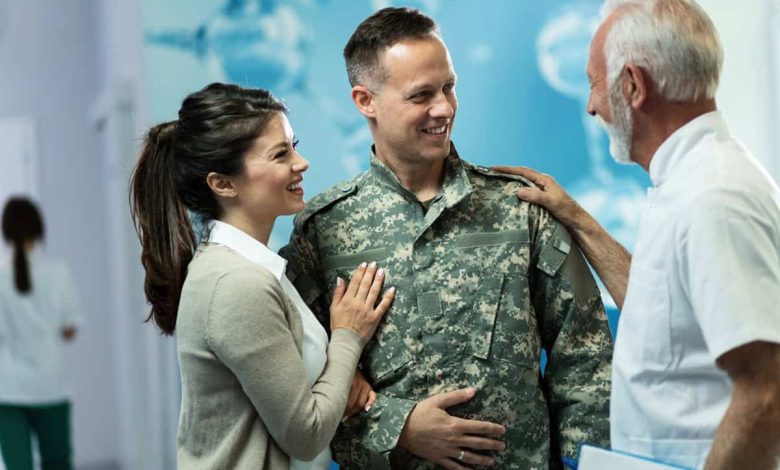
Veterans often live with health issues linked to their time in service. These can include physical injuries, chronic pain, hearing loss, mental health conditions, and illness tied to hazardous exposure. In Australia, access to Veteran Medical care can help address these concerns in a way that reflects military experience and the long-term effects it can have on daily life.
A general health service may meet many routine needs, but Veteran Medical support offers a more informed approach for former service members. Clinicians with knowledge of military service are better placed to understand patterns of injury, trauma, and stress that may not appear in the same way in the wider community. This can lead to more accurate assessment and better ongoing care.
Early access to Veteran Medical services also supports better health outcomes over time. Some conditions develop slowly and may not be obvious soon after discharge. A service history can shape both physical and mental health for years, so care that takes this into account matters at every stage of life.
In Australia, veterans may face a broad range of health concerns. Musculoskeletal injuries are common, especially among those who spent years in physically demanding roles. Back pain, knee damage, joint strain, and reduced mobility can continue long after active duty ends. Hearing issues and tinnitus are also common due to repeated exposure to loud noise during training or operations.
Mental health is another major area where specialised care has real value. Some veterans live with post-traumatic stress disorder, anxiety, depression, or sleep problems linked to service. Others may find the shift to civilian life difficult, especially when combined with social isolation or financial stress. A clinician who understands military culture and the effect of service-related trauma can offer more suitable support and communication.
Specialised medical care also helps with diagnosis and documentation. In some cases, veterans need medical evidence connected to service-related conditions for treatment pathways or support through Australian systems. Clear records, thorough assessment, and informed reporting can reduce confusion and help veterans receive care that matches their needs.
Another benefit is coordinated treatment. Veterans often need support from several health professionals at once, such as GPs, physiotherapists, psychologists, pain specialists, and rehabilitation teams. When care is linked and informed by service history, treatment plans are often more practical and easier to follow. This can improve recovery, symptom management, and day-to-day function.
Family members may also feel the effects of a veteran’s health issues. Long-term pain, trauma, or illness can place pressure on relationships, work, and home life. When veterans receive the right care early, it can support family stability as well as personal wellbeing.
Specialised medical care matters because veterans have health needs that may differ from the general population. In Australia, a stronger focus on informed, accessible, and respectful care can help former service members live with better support, clearer treatment pathways, and improved quality of life.