

Choosing the Right Cancer Care Center: What Patients Should Look For
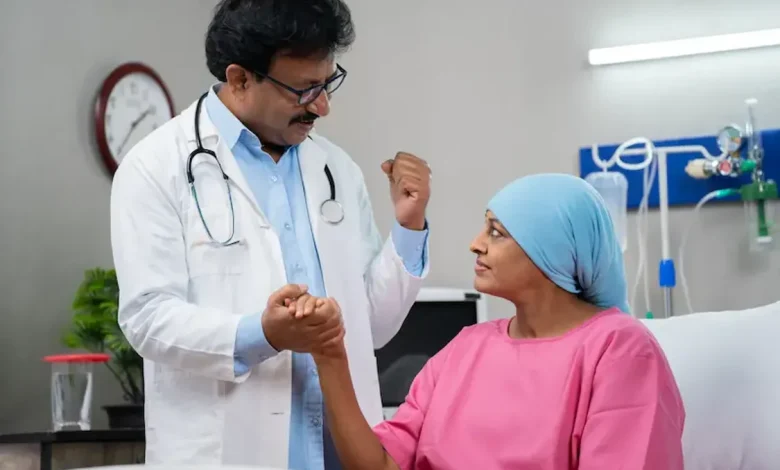
A cancer diagnosis forces families to make a major decision under pressure they never asked for: where to get care. With hospitals, oncology departments, and specialty centres all competing for attention, picking the right Cancer Care Center can feel almost as overwhelming as the diagnosis itself. The choice matters because it shapes not just the medical protocol a patient follows, but how well they’re supported at every stage of the journey that comes with it.
Look Beyond the Facility Itself
It’s easy to judge a center by its building, equipment, or brochure, but the more useful question is how patients are actually supported once they walk through the door. Does the center coordinate with a patient’s existing oncology team, or does it operate in isolation? Does it offer integrative cancer care that works alongside a patient’s prescribed treatment plan to help manage side effects and support the immune system? Centers built around this kind of coordination tend to give patients and families more clarity as needs shift over time.
It also helps to ask how care decisions are communicated. Is there a clear explanation of what a given approach can realistically offer, or are claims left vague? Transparent centers are upfront about what to expect, rather than leaning on reassurance alone.
Ask About Their Supportive Care Model
Supportive cancer care, meaning how side effects, nutrition, and emotional wellbeing are managed throughout the journey, often gets far less attention than it deserves when families compare their options. Yet it directly affects how well a patient tolerates their treatment schedule day to day.
Worth asking directly: Is there a nutritionist involved? Is emotional and psychological support offered to patients and caregivers, not just the patient? How is fatigue, nausea, or weakened immunity actually addressed in practice, not just described in a pamphlet? Centers that treat this as a core part of the care model, rather than an add-on, tend to leave patients feeling genuinely supported rather than just processed.
Check Experience, Transparency, and Track Record
A credible center should be upfront about the experience its team has with your specific cancer type and stage, and realistic about what any approach can and cannot achieve. Be cautious of anyone who promises guaranteed outcomes or brushes past the complexity of what a patient is facing; overpromising is a warning sign, not reassurance.
At Cancer Healer Center, for instance, the approach is guided by Dr. Tarang Krishna, whose background in immune-focused, integrative support has shaped how the center works alongside patients’ existing oncology teams rather than in place of them. Asking about the people behind a center’s approach, not just its facilities, is often the more revealing question.
Consider Location, Access, and Continuity of Support
Cancer treatment in India often means multiple visits over weeks or months, so proximity and logistics matter more than most families expect going in. A center that looks excellent on paper but is difficult to reach repeatedly can add avoidable stress to an already demanding process. Some of the best cancer treatment centers address this with coordinated scheduling, remote follow-up consultations, or help with travel arrangements for patients coming from other cities.
Questions Worth Asking Before You Commit
- How does this center coordinate with my existing oncology team?
- What does day-to-day supportive care actually look like here?
- Who can I reach out to between appointments if something changes?
- Can the team explain, in plain terms, what their approach is expected to achieve?
Don’t Underestimate the Human Factor
Beyond protocols and equipment, how a center’s team communicates matters enormously. Patients and caregivers are absorbing difficult, unfamiliar information, often for the first time, while under real emotional strain. A team that takes time to explain options clearly, answers questions without rushing, and checks in on emotional wellbeing builds the kind of trust that makes a hard process more manageable.
Making the Final Decision
There’s rarely one single “correct” choice among the best cancer treatment centers, and different families reasonably prioritize different things: proximity, a specific area of expertise, cost, or a particular approach to support. What matters most is that the decision is informed rather than rushed, based on how well a center’s model fits the patient’s specific diagnosis and circumstances. A Cancer Care Center that coordinates closely with a patient’s existing treatment team, rather than working in isolation, is generally worth prioritizing when so much else about the process feels uncertain.
FAQs
What’s the most important factor when choosing a cancer care center?
There’s no single deciding factor, but how well a center coordinates with a patient’s existing oncology team and integrates supportive care tends to matter most for day-to-day experience. Transparency about experience and realistic outcomes is equally important to check.
Should I get a second opinion before committing to a center?
Yes, a second opinion is generally worthwhile, especially for complex or advanced cases. It can confirm a recommended approach or surface additional supportive options a family hadn’t considered.
Is it necessary to travel far for good cancer treatment in India?
Not always. Many capable centers now exist across multiple cities, and some offer remote consultation support for follow-ups, which can reduce how often in-person travel is needed.
How do I know if a center offers real integrative cancer care?
Ask directly whether the center coordinates with a patient’s existing treatment plan and request specifics rather than general assurances. A transparent center will explain exactly what it offers and how it’s meant to work alongside standard treatment, not instead of it.
Can supportive or integrative care be added partway through an existing treatment plan?
In many cases, yes. It usually involves sharing medical records and treatment history so the supportive care team can coordinate properly with the patient’s existing oncologist. It’s worth discussing directly with any center you’re considering.


