

Meditation: Meaning, Benefits, Techniques, and Daily Practice Guide
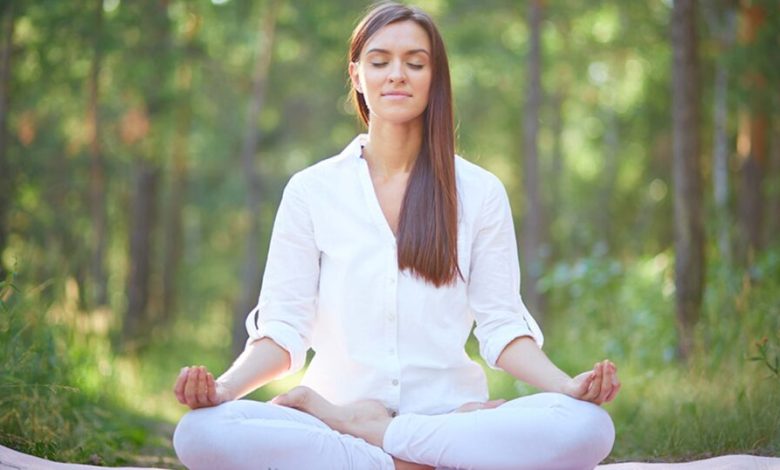
Meditation is a mental practice that helps individuals develop awareness, calmness, and emotional balance by focusing attention and reducing unnecessary thoughts. It has been practiced for centuries across cultures as a method to improve mental clarity, physical relaxation, and inner stability.
In modern life, meditation is widely recognized as an effective tool for managing stress, improving concentration, and supporting overall well being.
What Is Meditation
Meditation is the practice of training the mind to remain focused and present. It encourages awareness of thoughts, breathing patterns, and body sensations without distraction or judgment.
Regular meditation supports:
- Mental clarity
- Emotional balance
- Reduced stress levels
- Improved concentration
- Greater self awareness
It is simple to begin and suitable for people of all age groups.
Importance of Meditation in Daily Life
Daily responsibilities often create mental pressure and emotional fatigue. Meditation helps the mind recover from constant stimulation and improves the ability to handle challenges calmly.
Practicing meditation regularly can:
- Improve decision making ability
- Strengthen emotional control
- Support mental relaxation
- Increase patience and tolerance
- Encourage positive thinking habits
These benefits make meditation a valuable addition to modern routines.
Physical Health Benefits of Meditation
Meditation influences the body as well as the mind. Regular practice supports several physical functions and promotes long term wellness.
Key physical benefits include:
- Lower blood pressure levels
- Improved breathing patterns
- Reduced muscle tension
- Better sleep quality
- Stronger immune response
Consistent practice supports overall physical stability and comfort.
Mental Health Benefits of Meditation
Mental health improvement is one of the most important advantages of meditation. It helps individuals manage negative thoughts and emotional stress more effectively.
Mental benefits include:
- Improved focus and attention span
- Reduced anxiety levels
- Better emotional awareness
- Increased confidence
- Enhanced memory performance
These improvements contribute to stronger daily performance and emotional resilience.
Different Types of Meditation Practices
There are several meditation methods, each offering unique benefits. Individuals can choose techniques based on comfort and personal goals.
Common types of meditation include:
- Mindfulness meditation focusing on present moment awareness
- Breathing meditation concentrating on slow and steady breathing
- Guided meditation following instructions from a teacher or recording
- Loving kindness meditation developing compassion toward self and others
- Body awareness meditation observing physical sensations calmly
Practicing any one method consistently can provide noticeable improvements.
How to Start Meditation as a Beginner
Beginning meditation does not require special equipment or training. Simple steps can help individuals build a regular practice.
Basic starting steps include:
- Choosing a quiet location
- Sitting comfortably with a straight posture
- Closing the eyes gently
- Focusing attention on breathing
- Observing thoughts without reacting
Starting with short sessions makes the process easier and more effective.
Best Time for Practicing Meditation
Meditation can be practiced at any time of the day, but certain times provide greater benefits depending on personal routines.
Common practice times include:
- Early morning for mental clarity
- Evening for stress reduction
- Before sleep for relaxation
- During breaks for mental refreshment
Consistency matters more than the exact timing.
Role of Breathing in Meditation Practice
Breathing plays a central role in meditation. Slow and controlled breathing helps calm the nervous system and improves concentration.
Focused breathing supports:
- Relaxation of body muscles
- Reduced mental distractions
- Improved oxygen flow
- Greater emotional balance
Breathing awareness forms the foundation of many meditation techniques.
Meditation for Students and Working Professionals
Students and professionals often experience mental pressure from responsibilities and expectations. Meditation helps manage these demands effectively.
Regular practice supports:
- Improved academic focus
- Better workplace productivity
- Stronger memory retention
- Reduced mental fatigue
- Increased emotional confidence
These advantages make meditation especially useful in competitive environments.
Building a Consistent Meditation Habit
Consistency is the most important factor in meditation practice. Even short daily sessions can produce lasting benefits when practiced regularly.
Helpful strategies include:
- Setting a fixed daily schedule
- Starting with five to ten minute sessions
- Practicing in a quiet environment
- Maintaining a comfortable posture
- Tracking progress over time
Regular practice gradually strengthens mental stability and awareness.
Meditation as a Long Term Lifestyle Practice
Meditation becomes more effective when treated as a lifelong habit rather than a temporary activity. Over time, it supports both mental growth and emotional strength.
Long term practice contributes to:
- Improved self awareness
- Balanced emotional responses
- Stronger concentration abilities
- Greater patience in daily situations
- Increased sense of inner calm
These benefits support a healthier and more stable lifestyle.
FAQ Section
How long should beginners meditate each day
Beginners can start with five to ten minutes daily and gradually increase the duration as they become more comfortable.
Can meditation improve communication skills
Meditation improves emotional awareness and listening ability, which supports clearer and more thoughtful communication.
Is it necessary to sit in a special posture during meditation
A comfortable upright posture is helpful, but meditation can also be practiced while sitting on a chair or standing calmly.
Can meditation help reduce anger reactions
Regular practice improves emotional control and helps individuals respond calmly instead of reacting quickly.
Is guided meditation helpful for first time learners
Guided meditation provides clear instructions that make it easier for beginners to maintain focus during practice.
Does meditation support better decision making
Meditation improves clarity of thought and reduces mental distractions, which helps individuals make balanced decisions.
Can meditation be practiced during travel or busy schedules
Yes, meditation can be practiced anywhere by focusing on breathing and maintaining awareness even for a short time.


