

How Dentists Treat Early Stage Gum Disease
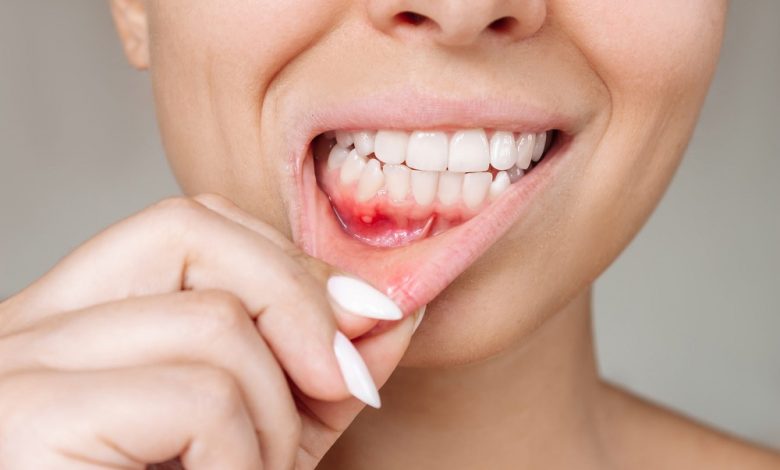
Early stage gum disease, commonly known as gingivitis, is a reversible condition that affects the gums surrounding the teeth. It typically develops due to plaque accumulation along the gumline and can lead to more serious periodontal problems if left untreated. Dentists play a critical role in diagnosing gingivitis early and applying targeted treatments that restore gum health effectively.
Understanding how dentists manage early stage gum disease helps patients seek timely care and prevent long term oral complications.
What Is Early Stage Gum Disease
Early stage gum disease is inflammation of the gums caused primarily by bacterial plaque buildup. At this stage, the condition has not yet damaged the supporting bone or deeper tissues.
Common symptoms include
- Red or swollen gums
- Bleeding during brushing or flossing
- Persistent bad breath
- Gum tenderness
- Slight gum recession in some cases
Because gingivitis is reversible, early dental intervention produces excellent outcomes.
Causes of Early Stage Gum Disease
Several factors contribute to the development of gum inflammation. Dentists identify these underlying causes before planning treatment.
Common causes include
- Poor brushing and flossing habits
- Plaque and tartar accumulation
- Smoking or tobacco use
- Hormonal changes
- Diabetes
- Poor nutrition
- Certain medications that reduce saliva flow
Addressing these causes is essential for successful treatment.
Professional Dental Examination for Diagnosis
Dentists begin treatment with a thorough oral examination to evaluate gum health and identify early warning signs. The assessment typically includes
- Visual inspection of gum color and texture
- Checking for bleeding points
- Measuring gum pocket depth
- Evaluating plaque and tartar buildup
- Reviewing dental X rays if required
This evaluation helps determine the severity of the condition and guides treatment planning.
Professional Teeth Cleaning and Scaling
One of the most effective treatments for early stage gum disease is professional dental cleaning. Dentists remove plaque and hardened tartar that cannot be eliminated through regular brushing.
Scaling involves
- Removing plaque deposits above the gumline
- Eliminating tartar around tooth surfaces
- Cleaning bacteria from early gum pockets
This process reduces inflammation and allows gums to heal naturally.
Improved Oral Hygiene Guidance
Dentists provide personalized oral hygiene instructions tailored to each patient’s needs. These recommendations help prevent further plaque buildup and support gum recovery.
Patients are often advised to
- Brush twice daily using proper technique
- Floss regularly to clean between teeth
- Use antimicrobial mouth rinses if recommended
- Replace toothbrushes regularly
Consistent home care is essential for successful treatment outcomes.
Antibacterial Treatments When Necessary
In some cases, dentists recommend antibacterial treatments to control infection and speed healing.
These may include
- Antiseptic mouth rinses
- Local antimicrobial gels
- Prescription oral hygiene products
Such treatments help reduce bacterial activity and improve gum condition quickly.
Lifestyle Adjustments That Support Healing
Dentists often recommend lifestyle improvements that strengthen gum health and prevent recurrence.
Helpful changes include
- Quitting tobacco use
- Eating a balanced diet rich in vitamins
- Staying hydrated
- Managing medical conditions like diabetes
- Maintaining regular dental visits
These steps enhance the effectiveness of professional treatment.
Importance of Follow Up Dental Visits
Follow up appointments allow dentists to monitor healing progress and ensure gum inflammation has resolved completely. Regular checkups also prevent the condition from advancing into periodontitis.
Most patients benefit from professional cleanings every six months or as recommended based on their oral health condition.
Risks of Ignoring Early Stage Gum Disease
Ignoring gingivitis may lead to serious complications that affect both oral and overall health.
Possible risks include
- Progression to advanced gum disease
- Gum recession
- Tooth mobility
- Bone loss around teeth
- Increased risk of tooth loss
Early dental care prevents these complications and preserves long term oral stability.
Preventing Early Stage Gum Disease in the Future
Preventive care plays a crucial role in maintaining healthy gums. Dentists emphasize daily oral hygiene habits combined with routine professional checkups.
Preventive strategies include
- Brushing correctly twice daily
- Flossing once every day
- Using dentist recommended mouthwash
- Visiting a dentist regularly
- Avoiding tobacco products
Following these steps significantly reduces the chances of recurrence.
Frequently Asked Questions
Can early stage gum disease be completely reversed
Yes, early stage gum disease can usually be reversed with professional cleaning and proper home care if treated promptly.
How long does it take for gums to heal after treatment
Most patients notice improvement within one to two weeks after professional cleaning and consistent oral hygiene.
Is professional scaling painful for patients
Scaling is generally comfortable, though mild sensitivity may occur temporarily in some individuals.
Can children develop early stage gum disease
Yes, children can develop gingivitis, especially if oral hygiene habits are not maintained properly.
Are mouth rinses necessary during treatment
Dentists sometimes recommend antimicrobial rinses to reduce bacteria and support faster healing depending on severity.
How often should someone with gingivitis visit a dentist
Patients with gingivitis may need more frequent visits until gum health improves, followed by regular preventive checkups.
Does diet affect gum disease recovery
Yes, a balanced diet rich in vitamins and minerals supports faster gum healing and strengthens oral tissues.