
Enhancing Patient Comfort with Office-Based Mobile Sedation for Dental and Medical Practices
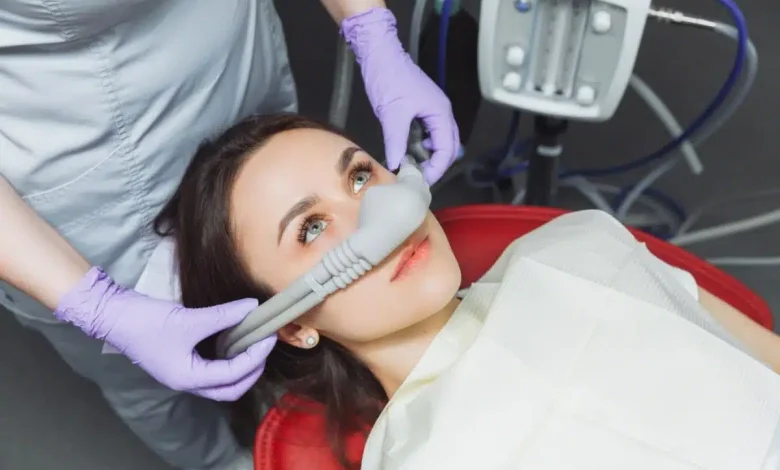
When it comes to receiving dental care or medical treatment, patients feeling at ease is equally as significant as achieving positive clinical results. For numerous individuals, worry or fear can make even routine exams overwhelming. By offering a protected, convenient option that helps patients relax while allowing providers to administer high-quality care in a familiar environment, office-based mobile sedation is changing the client experience while boosting performance for practices. This technique is transforming how patients feel and improving productivity for offices. In fact, more providers are embracing office-based mobile sedation for dental and medical practices to enhance patient comfort and streamline treatment delivery.
The Evolution of Portable Sedation: Ease Comes to You
What Comprises Mobile Sedation and How Does it Function?
Transportable sedation refers to the practice of supplying sedation aid at the area where dental or healthcare procedures are executed, instead of in a classic treatment or clinical environment. This groundbreaking methodology utilizes mobile units outfitted with state-of-the-art sedation engineering, permitting a seamless integration of sedative management into diverse procedures while prioritizing patient convenience. The mobile sedation party comprises properly trained specialists, such as anesthesiologists or qualified nurse anesthetists, who administer the proper sedative medicines tailored to every patient’s demands. The sedation can vary from gentle sedation through nitrous oxide to deeper levels with intravenous (IV) sedation or general anesthesia, effectively decreasing anxiety and discomfort related to dental or healthcare interventions.
Breaking Convention: Why Go For Office-Based Sedation?
Traditionally, clients have encountered a stiff environment within clinical configurations that often breeds unease and awkwardness. Office-based sedation breaks away from this historic norm, supplying a more inviting ambiance where sufferers can feel relaxed and in control. The adaptability of mobile sedation allows medical services providers to shadow patients from one site to another, establishing a more customized and convenient experience. This adaptability is particularly useful for patients with mobility issues, those requiring comprehensive treatment, or individuals with a heightened concern of dental or medical procedures. Additionally, office-based mobile sedation can decrease wait times and streamline procedures, effectively increasing overall patient satisfaction and operational efficiency in both dental and medical practices. Providers who adopt office-based mobile sedation for dental and medical practices report stronger patient trust and improved care outcomes.
Addressing Common Concerns: The Safety and Efficacy of Mobile Sedation
While medical interventions understandably raise questions of risk, comprehensive research and experience affirm mobile sedation’s safety and efficacy when administered properly. Thorough preoperative evaluations and continuous vital monitoring during sedation follow vital protocols. Sedation plans tailor to patients, considering history and potential for emergency response. The American Society of Anesthesiologists stresses such evaluations’ importance. By adhering to such practices, mobile sedation provides patients a protected environment for successful, stress-free experiences.
Meeting Diverse Patient Needs: Customizing the Sedation Experience
Recognizing Individual Patient Experiences and Needs
When deciding sedation options, one size does not fit all. Plans must fit each unique situation. Options range from mild sedatives like nitrous oxide, often called “laughing gas”, which provides moderate anxiety relief while maintaining consciousness, to stronger intravenous medications. For those with light anxiety, nitrous oxide acts quickly while allowing responsiveness. At the other end is general anesthesia inducing deep unconsciousness, reserving it for invasive procedures. Effectiveness and risk vary, so informed discussions aid patients in choosing options suiting their circumstances.
Diverse Factors in Child and Senior Sedation
Unique profiles like the youthful and elderly demand tailored approaches for sedation. Young patients commonly need modified strategies to ensure comfort and safety, such as sized doses and a reassuring environment lessening fear. Children may react diversely to sedatives, so developmental stage, weight, and idiosyncratic behaviors under medications require special heed. For seniors, focus moves to evaluating amplified risk with maturing – like other afflictions and polypharmacy. Physiological responses to sedatives can fluctuate too, necessitating watchful adjustments amid operations. In both cases, personalized evaluation and compassion elevate the sedation experience and conclusion.
Crafting a Personalized Plan: Evaluating Distinct Needs
Recognizing unique qualities in each is fundamental for satisfactory mobile sedation. Thorough pre-sedation reviews gather medical backgrounds, anxiety levels, and preferences. Tools like the American Society of Anesthesiologists Physical Status Classification System also aid assessing overall health for sedation. Exploring past sedation, desires, and fears eases customized planning. Through empathetic dialogue, practitioners enable participation in care, making sessions less stressful and more cooperative. This centered approach addresses both immediate concerns and long term trust between patient and provider.
Transforming Patient Experience: Benefits of a Sedated Environment
How Sedation Augments Dental and Medical Procedures
The primary benefit of sedation in dental and medical procedures lies in its ability to alleviate anxiety and discomfort, thereby enhancing the overall patient experience. By utilizing sedation, healthcare providers can perform a wide range of procedures—ranging from simple cleanings to complex surgeries—with increased efficiency and less distress for the patient. With effective sedation techniques, practitioners can carry out procedures without interruptions, as patients remain calm and cooperative. Furthermore, studies show that patients who receive sedation are less likely to require additional pain management post-procedure and often have quicker recovery times, which can lead to increased patient satisfaction and improved outcomes. The integration of mobile sedation not only enhances procedural effectiveness but also upholds the dignity and comfort of patients, thus fundamentally transforming the way healthcare is perceived.
Reducing Anxiety: The Psychological Impact of Sedation
Anxiety about dental and medical procedures is a common barrier that deters many individuals from seeking necessary care. Sedation serves as an effective mitigation strategy against this psychological hurdle by providing patients with a sense of calm and security. However, for some, the physiological benefits of reduced anxiety cannot be understated, as high levels of stress can lead to elevated blood pressure, heart rate, and muscle tension, complicating procedures and potentially jeopardizing patient safety. In contrast, a relaxed patient allows for smoother, more seamless interventions, allowing clinicians to focus fully on providing high-quality care rather than managing acute patient anxiety. Furthermore, the psychological impact of sedation extends well beyond the procedure itself; positive experiences reinforced by effective sedation lead to increased trust and willingness among many to seek future dental or medical care proactively. Over time, this shift could significantly improve public health outcomes by encouraging proactive health management.
Empowering Patients: Control and the Mobile Sedation Experience
Patient empowerment lies at the core of mobile sedation care. With opportunities to guide their sedation pathway, patients evolve from passive recipients into engaged partners in health decisions. By cultivating an environment where concerns, preferences, and wishes around sedation are freely articulated, providers sculpt personalized, meaningful experiences. This facet of empowerment can allay dread, as patients fully grasp what to anticipate during procedures. Plus, thorough preoperative meetings and education on the sedation process cement the alliance between patient and practitioner. Ultimately, such empowerment nurtures a culture of collaboration and informed choice, resulting in elevated satisfaction and improved outcomes.
Future Trends in Mobile Sedation: Where Technology Fuses with Care
Groundbreaking Technologies Propelling Mobile Sedation Forward
The landscape of mobile sedation progresses persistently, fueled by innovations meant to better patient outcomes and experiences. Telehealth expands access to sedation assessments, allowing providers to evaluate patients from afar, inspect medical histories, and educate on options preceding visits. In addition, advances in monitoring permit continuous tracking of vital signs and oxygen levels during sedation, heightening safety while also offering real-time data to clinicians. These technologies streamline the process while also facilitating elevated responsibility and reactivity to patient needs during procedures. Furthermore, progressions in pharmaceuticals and conveyance methods are constantly optimizing the potency and security of sedative agents, permitting personalized dosing and lessened adverse effects.
Regulatory Changes: What Practices Need to Know
The ever shifting regulatory landscape surrounding sedation practices is important for healthcare providers to carefully navigate. Policies governing the usage of mobile sedation can differ greatly between states and even within different healthcare settings. Understanding these regulations is pivotal in ensuring adherence and maintaining patient safety. Regarding sedation training and certification, practices must uphold standards set by the American Dental Association or the American Society of Anesthesiologists to guarantee that all personnel are adequately prepared to manage sedation related medical emergencies. Furthermore, as technologies and best practices continue to evolve, keeping abreast of changes to regulatory benchmarks becomes instrumental for healthcare providers striving for excellence. Regular training and continuing education opportunities can effectively bridge knowledge gaps, ensuring that practices meet the highest standards of care.
Looking Ahead: The Future of Patient-Centered Comfort in Sedation
The future of patient centered care in the realm of sedation is bright as mobile units become more integrated into mainstream practices. A greater focus on providing personalized care is anticipated, with an increasing emphasis on understanding the total patient experience. As awareness of mobile sedation grows, more patients will choose this option for its convenience and improved satisfaction. The continued merging of technology and customized care will pave the way for innovative solutions that enhance safety, efficacy, and patient involvement. Moreover, as research uncovers new insights into pain management and sedation practices, healthcare providers will be increasingly equipped with tools to tailor sedation approaches based on emerging best practices. Ultimately, the convergence of technology, education, and a commitment to understanding individual patient needs will define the next chapter in mobile sedation, ensuring that comfort and quality care remain at the forefront of medical and dental practices for years to come.