

10 Nutrition Tips for Patients Undergoing Cancer Treatment
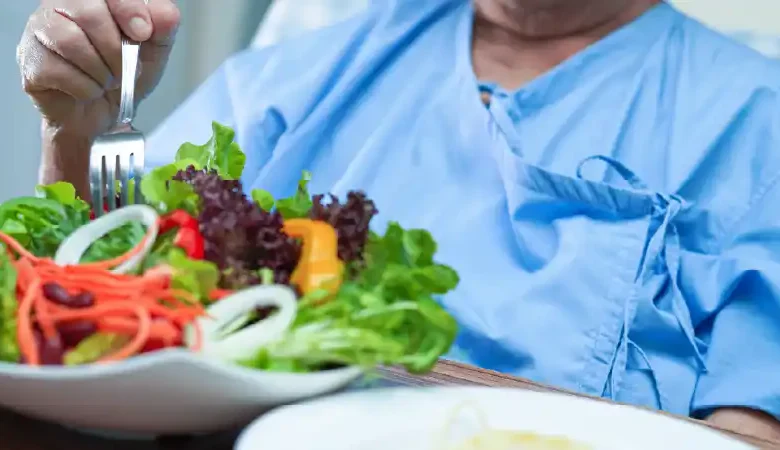
Eating well during cancer treatment sounds simple until you’re actually going through it. Chemotherapy can change how food tastes. Radiation can make swallowing painful. Surgery in the mouth or throat can make chewing difficult for weeks. And on top of all that, your body needs more nutrition than usual just to heal and keep fighting.
This is something that comes up in almost every consultation at Dr. Amit Chakraborty’s clinic. Patients and families often ask the same question in different words: what should I actually be eating right now? Below are ten practical tips that can help, whether you’re just starting treatment or already partway through it.
1. Don’t Wait Until You’ve Lost Weight to Start Caring About Nutrition
A lot of patients only start paying attention to food once weight loss becomes visible. By then, the body is already running on a deficit. It’s better to treat nutrition as part of the treatment plan from day one, not something to fix later.
2. Eat Smaller Meals, More Often
Three big meals a day can feel impossible when nausea or low appetite is part of the picture. Five or six small meals spread throughout the day are usually easier to manage and keep energy levels steadier than trying to force down a large plate at once.
3. Prioritise Protein at Every Meal
Protein helps the body repair tissue and maintain muscle, both of which take a hit during treatment. Eggs, dal, paneer, curd, chicken, and fish are all practical options. If chewing is difficult, softer protein sources like moong dal khichdi or a well-cooked egg curry go down easier than dry, fibrous meats.
4. Keep Food Soft If Swallowing Is Difficult
This matters especially for patients recovering from surgery or radiation involving the mouth, throat, or tongue. Mashed vegetables, soups, stews, and khichdi are far kinder to a healing mouth or throat than anything crunchy or dry. Patients recovering from procedures like oral cancer or tongue cancer treatment often need this softer approach for several weeks before gradually moving back to regular textures.
5. Stay Ahead of Dehydration
Vomiting, diarrhoea, or simply reduced appetite can quietly lead to dehydration. Water is important, but coconut water, buttermilk, and clear soups also help replace fluids and a bit of lost salt at the same time. Sipping through the day works better than trying to drink a large glass all at once.
6. Manage Taste Changes Without Giving Up on Food Altogether
Chemotherapy in particular can make food taste metallic, bland, or just wrong. Using plastic cutlery instead of metal, trying food cold or at room temperature, and leaning on mild flavours like ginger or lemon can help. It’s a frustrating side effect, but it’s usually temporary.
7. Don’t Skip Healthy Fats
Fats are calorie-dense, which matters a lot when appetite is low and every bite needs to count. Ghee, nuts, seeds, and olive oil are easy ways to add calories without needing to eat larger portions.
8. Be Cautious With Raw and Street Food
During certain phases of treatment, particularly when immunity is lower, the risk of infection from undercooked or unhygienically prepared food is genuinely higher. Well-cooked, freshly prepared meals at home are the safer choice during these periods. It’s worth asking your treatment team when this caution matters most, since it isn’t the same at every stage.
9. Involve a Dietitian, Not Just Guesswork
Every patient’s nutritional needs shift depending on the type of cancer, the treatment being given, and how the body is responding. A dietitian working alongside the oncology team can adjust recommendations as treatment progresses, which is far more reliable than following generic advice found online. This kind of coordinated approach is part of why patients often look specifically for Cancer Treatment in Mumbai programmes that include nutritional support built into the care plan, rather than treating it as an afterthought.
10. Track How You’re Eating, Not Just What You’re Eating
Two people eating the same meal can have very different outcomes if one is eating three bites and calling it done. Keeping a rough note of how much is actually being eaten each day, not just what’s on the plate, helps both patients and doctors catch a drop in intake early, before it becomes a bigger problem.
A Final Word
Nutrition won’t replace treatment, but it does make a real difference in how the body tolerates it and recovers afterward. If eating has become a struggle, whether from taste changes, swallowing difficulty, or low appetite, it’s worth raising with your treatment team rather than pushing through it alone. Small, consistent changes tend to help more than any single big fix.
FAQs
1. Is it normal to lose interest in food during cancer treatment?
Yes, this is very common, especially during chemotherapy or radiation. It usually improves as the body adjusts, but persistent loss of appetite is worth mentioning to your doctor so it can be managed properly.
2. Should I take nutritional supplements on my own?
It’s best to check with your treatment team before starting any supplement. Some can interact with treatment, and a dietitian can suggest options that actually suit your specific situation.
3. What foods should be avoided during treatment?
Raw or undercooked food, unpasteurised dairy, and street food are generally best avoided, particularly when immunity is low. Very spicy or acidic foods can also irritate a sore mouth or throat.
4. How can I manage nausea while still eating enough?
Small, bland meals eaten slowly tend to sit better than large or rich meals. Ginger tea, dry crackers, and room-temperature food are commonly helpful, though what works varies from person to person.
5. Does nutrition really affect treatment outcomes?
Good nutrition supports the body’s ability to tolerate treatment, heal after surgery, and maintain strength throughout the process. It isn’t a substitute for medical treatment, but it plays a meaningful supporting role.