

Daily Life and Duties of Hospital Doctors
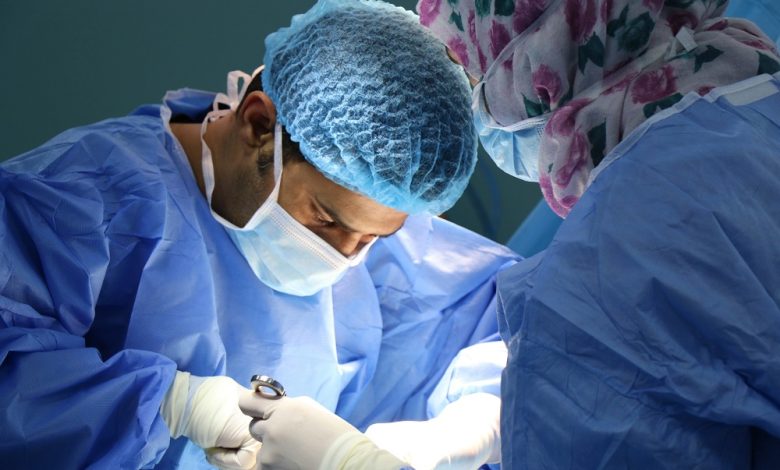
Hospital doctors play a central role in patient care by diagnosing illnesses, managing treatments, coordinating with healthcare teams, and responding to emergencies. Their daily routine involves both clinical responsibilities and administrative tasks that ensure patients receive safe and effective medical attention.
The work of hospital doctors requires dedication, precision, teamwork, and strong decision making skills. Each day presents new challenges and opportunities to improve patient outcomes.
Starting the Day with Patient Reviews
Hospital doctors usually begin their day by reviewing patient reports and medical histories. This preparation helps them understand ongoing treatments and identify urgent priorities.
Morning preparation typically includes:
- Reviewing laboratory test results
- Checking patient progress notes
- Assessing overnight developments
- Planning treatment adjustments
This early evaluation ensures that doctors begin their rounds with accurate clinical information.
Conducting Ward Rounds
Ward rounds are an essential part of a hospital doctor’s routine. During these visits, doctors examine patients and evaluate their recovery progress.
Key responsibilities during ward rounds include:
- Examining physical symptoms
- Monitoring treatment effectiveness
- Updating medication plans
- Answering patient questions
- Coordinating with nursing staff
Ward rounds help doctors make timely decisions that improve patient recovery.
Diagnosing Medical Conditions
Hospital doctors carefully assess symptoms and interpret diagnostic results to identify health conditions accurately. Diagnosis is one of the most important duties because it guides treatment planning.
Diagnostic tasks may involve:
- Ordering laboratory investigations
- Reviewing imaging reports
- Evaluating patient histories
- Consulting specialists when needed
Accurate diagnosis supports safe and effective treatment strategies.
Prescribing and Managing Treatments
After confirming a diagnosis, hospital doctors design treatment plans tailored to each patient’s needs. Treatment management continues throughout the hospital stay.
Doctors are responsible for:
- Prescribing medications
- Monitoring treatment response
- Adjusting therapy when necessary
- Preventing complications
Careful treatment supervision ensures better patient outcomes and faster recovery.
Responding to Emergency Situations
Hospitals operate around the clock, and doctors must be prepared to respond quickly to emergencies. Emergency care requires rapid assessment and immediate action.
Common emergency duties include:
- Stabilizing critical patients
- Performing urgent procedures
- Coordinating with emergency teams
- Making fast clinical decisions
Quick responses during emergencies can save lives and prevent serious complications.
Collaborating with Healthcare Teams
Hospital doctors work closely with nurses, technicians, therapists, and specialists. Collaboration ensures comprehensive patient care and reduces the risk of medical errors.
Team coordination involves:
- Discussing treatment plans with specialists
- Guiding junior doctors and interns
- Communicating with nursing teams
- Participating in multidisciplinary meetings
Effective teamwork strengthens patient safety and treatment efficiency.
Maintaining Medical Records and Documentation
Accurate documentation is essential in hospital settings. Doctors record patient conditions, treatments, and progress to support continuity of care.
Documentation responsibilities include:
- Updating patient files regularly
- Recording prescriptions and procedures
- Writing discharge summaries
- Maintaining legal medical records
Proper documentation supports communication across departments and improves treatment accuracy.
Communicating with Patients and Families
Hospital doctors regularly interact with patients and their families to explain diagnoses, treatment options, and recovery expectations. Clear communication builds trust and reduces anxiety.
Doctors typically:
- Explain medical conditions clearly
- Provide recovery guidance
- Discuss treatment risks and benefits
- Address patient concerns patiently
Strong communication improves patient cooperation and satisfaction.
Supervising Junior Medical Staff
Senior hospital doctors often supervise interns and resident doctors. This responsibility ensures safe clinical practice and professional development within the hospital environment.
Supervision activities include:
- Guiding clinical decision making
- Monitoring treatment procedures
- Teaching diagnostic techniques
- Supporting skill development
Mentorship strengthens healthcare quality and prepares future medical professionals.
Participating in Training and Professional Development
Hospital doctors continue learning throughout their careers. Training sessions help them stay updated with medical advancements and hospital protocols.
Professional development may involve:
- Attending clinical workshops
- Participati ng in case discussions
- Learning new treatment technologies
- Reviewing research findings
Continuous learning improves both confidence and patient care standards.
Managing Workload During Long Shifts
Hospital doctors often work extended shifts that include night duties and emergency calls. Managing workload effectively is essential for maintaining performance and patient safety.
Doctors handle long shifts by:
- Prioritizing urgent cases
- Coordinating with team members
- Maintaining accurate schedules
- Staying focused under pressure
Efficient workload management supports consistent healthcare delivery.
Ensuring Patient Safety and Ethical Practice
Patient safety remains a primary responsibility for hospital doctors. Ethical decision making guides every step of medical treatment.
Doctors ensure safety by:
- Following clinical guidelines
- Maintaining patient confidentiality
- Avoiding unnecessary procedures
- Providing unbiased treatment recommendations
Ethical practice strengthens trust between healthcare providers and patients.
FAQ Section
What time does a hospital doctor usually start work
Hospital doctors often begin early in the morning with patient reviews and ward rounds, although schedules may vary depending on shift duties.
Do hospital doctors work night shifts regularly
Yes, many hospital doctors rotate through night shifts to provide continuous patient care throughout the day and night.
How do hospital doctors handle multiple patients at once
Doctors prioritize cases based on urgency, coordinate with healthcare teams, and follow structured treatment plans to manage multiple patients effectively.
Are hospital doctors involved in surgery
Some hospital doctors perform surgeries depending on their specialization, while others focus on diagnosis and medical treatment.
How important is teamwork for hospital doctors
Teamwork is essential because patient care involves collaboration between doctors, nurses, technicians, and specialists.
Do hospital doctors communicate directly with patient families
Yes, doctors regularly explain treatment progress and answer questions from family members to keep them informed.
Why is documentation important in hospital practice
Accurate documentation supports treatment continuity, legal compliance, and effective communication among healthcare professionals.